Highlights
The Pacific coast is the headline — El Salvador has become a global surf destination, with legendary right-hand point breaks at El Tunco, El Zonte (the original 'Bitcoin Beach') and the longer, world-class waves of Punta Mango and Las Flores in the east. Even non-surfers love the laid-back beach-town vibe, black-sand beaches and sunsets.
Inland, the 'Ruta de las Flores' is a scenic mountain route linking colourful colonial towns (Juayúa, Ataco, Apaneca) through coffee country, with weekend food festivals, waterfalls and murals. The capital San Salvador sits beneath a volcano, with a revamped historic centre, museums and a lively food scene.
Natural highlights include hiking the volcanoes of Cerro Verde National Park (Santa Ana, the country's highest, with a stunning turquoise crater lake), the alpine Lake Coatepeque, and the well-preserved Maya site of Joya de Cerén — a UNESCO 'Pompeii of the Americas' buried by ash. It all packs into a country you can traverse in a few hours.
When to go
November to April (the dry season) is the best time — sunny and pleasant for the surf beaches, volcanoes and colonial towns.
The rainy season (May to October) brings green landscapes and afternoon downpours, with Atlantic-season storm risk, though mornings are often clear and the surf can be excellent. El Salvador is warm year-round, hot on the coast and cooler in the highlands. Surfers find good waves much of the year, with the biggest swells in the wetter months. For the driest, easiest travel and volcano hikes, aim for the dry season, December to April.
Visa & entry
Many nationalities (including the EU, UK, US, Canada, Australia) can enter El Salvador visa-free or with a simple tourist card for stays of up to 90 days, often under the CA-4 agreement shared with Guatemala, Honduras and Nicaragua (time counted across all four). A passport valid six months and proof of onward travel are typically required.
Confirm the current entry rules and any tourist-card fee for your nationality with a Salvadoran embassy or official sources before you travel.
Health & safety
El Salvador's safety has transformed dramatically — once among the world's most dangerous countries, a sweeping government crackdown on gangs has made homicide rates plummet, and tourist areas (surf coast, Ruta de las Flores, San Salvador's main districts) are now generally calm and welcoming. Normal precautions against petty theft still apply, and it is wise to avoid isolated areas and travel by day.
Note that the country remains under a long-running 'state of exception' with reduced civil protections, which has drawn human-rights concerns — stay informed. Volcano hikes and surf carry natural risks; use guides and heed conditions. Always check your government's current travel advisory before departure.
Getting around
A hire car gives the most freedom to explore the compact country — the surf coast, Ruta de las Flores and volcanoes are all within a couple of hours on decent roads — and is popular with surfers. Tourist shuttles connect the main hubs conveniently, while cheap local buses serve everywhere for the budget-minded (though slower and more crowded).
Ride-hailing (Uber) operates in San Salvador and is the easy, safe way around the capital. Taxis elsewhere should be agreed in advance or hotel-arranged. Given the short distances, a car or shuttles make for easy, flexible itineraries linking coast and mountains.
Money
El Salvador uses the US dollar as its official currency (it also controversially adopted Bitcoin as legal tender, though everyday use is limited and optional), making it very convenient for many visitors — no exchange needed if arriving with dollars. Cards are accepted at hotels, surf-town establishments and larger restaurants, and ATMs are available, but carry small-denomination US bills for local buses, markets, pupusa stands and tips.
El Salvador is affordable. Tipping is customary — around 10% in restaurants (check if a service charge is added), and small tips for guides, surf instructors and hotel staff.

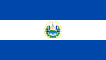 El Salvador