Highlights
Vaduz, the small capital, is dominated by the Prince's Castle (Schloss Vaduz) perched dramatically on a hillside above town — still the royal family's residence (so closed to the public), but a magnificent backdrop, reached by a scenic vineyard walk. The pedestrian centre offers striking modern art museums (the Kunstmuseum), the national museum, and the novelty of getting your passport stamped as a souvenir.
The real draw is the mountains. A superb network of hiking trails climbs from the valley into the Alps — the Fürstensteig ridge walk is a thrilling (if exposed) classic, and the Liechtenstein Trail links all 11 municipalities on foot. In winter, the tiny, family-friendly resort of Malbun offers skiing in a beautiful high valley.
The Rhine valley vineyards produce the prince's own wine, medieval Gutenberg Castle crowns the town of Balzers, and the whole country — explorable in a day or two — blends alpine grandeur, wealth and a genuinely unusual, easygoing character. It pairs perfectly with a Swiss or Austrian trip.
When to go
May to September is the best time — mild, green and ideal for hiking the Alpine trails, exploring Vaduz and enjoying the Rhine valley, with long days and pleasant weather.
Winter (December-March) brings snow and skiing at the small resort of Malbun, plus a festive feel. Spring brings blossom and green meadows; autumn, golden vineyards and crisp mountain air. Being alpine, the higher areas are cold and weather changes quickly. For hiking and sightseeing in comfort, aim for late spring through early autumn; for skiing, come in winter.
Visa & entry
Liechtenstein is in the Schengen Area (via its close ties with Switzerland), so Schengen rules apply: many nationalities (UK, US, Canada, Australia and others) visit visa-free for up to 90 days in any 180-day period, others need a Schengen visa, and the EU's ETIAS authorisation is being phased in — check whether it applies by your travel date. There are no routine border controls, as you enter overland from Switzerland or Austria. Confirm the current requirements for your nationality via official sources before you travel.
Health & safety
Liechtenstein is one of the safest countries in the world, with extremely low crime and a prosperous, orderly society — visitors feel completely secure. The main issue is negligible; take only normal precautions with valuables.
The genuine risks are all in the mountains: alpine weather that changes fast, exposed ridge trails like the Fürstensteig that demand a head for heights and proper footwear, and winter snow and ice. Go prepared, heed conditions and stick to marked routes. Healthcare is excellent (linked with Switzerland). Roads are good. Check your government's advisory before departure, though Liechtenstein is consistently among the safest destinations anywhere.
Getting around
Liechtenstein has no airport (the nearest is Zurich, about 1.5 hours away) and no train station of note, so you arrive by road, usually via Switzerland or Austria. Within the country, an excellent, cheap Swiss-integrated bus network (LIEmobil) connects Vaduz, all the villages and the Malbun ski resort efficiently — you can see the whole country by bus.
A hire car adds flexibility for hiking trailheads and the mountains, on good roads. The capital and towns are walkable, and cycling along the Rhine is popular. Given the compact size and superb buses, many visitors explore car-free, often as a day trip from Switzerland or Austria.
Money
Liechtenstein uses the Swiss Franc (not the euro), sharing Switzerland's currency and much of its economy, so bring francs (euros are sometimes accepted at poor rates). It is very card-friendly — cards and contactless are accepted almost everywhere — though carry a little cash for small vendors, buses and tips. ATMs are available.
Liechtenstein is expensive, on a par with Switzerland, so budget accordingly for dining and accommodation. Tipping is customary but modest — service is generally included, so round up or add around 10% for good restaurant service as a gesture rather than an obligation.

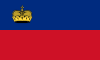 Liechtenstein